
Understanding the Importance of Regular Dental Check-Ups
Regular dental check-ups play a crucial role in maintaining optimal oral health. These visits allow dental professionals to identify potential issues before they become serious problems, ensuring that your teeth and gums remain healthy. Routine cleanings and examinations help in preventing cavities, gum disease, and other dental complications.
During a dental check-up, your dentist will assess your oral health, provide professional cleaning, and offer personalized advice on maintaining good hygiene practices at home. Additionally, these appointments can help in tracking changes in your dental health over time, making it easier to address any emerging concerns promptly.
The Impact of Nutrition on Oral Health
Your diet significantly influences your dental health. Consuming a balanced diet rich in vitamins and minerals is essential for strong teeth and gums. Foods high in calcium, phosphorus, and vitamin D, such as dairy products, leafy greens, and nuts, contribute to the strength and resilience of your teeth.
On the other hand, excessive sugar and acidic foods can lead to tooth decay and erosion. Understanding the relationship between nutrition and oral health can empower you to make better dietary choices that support your smile, such as opting for crunchy fruits and vegetables that naturally clean your teeth while providing essential nutrients.
Common Myths About Oral Hygiene Debunked
There are many misconceptions surrounding oral hygiene that can lead to poor dental practices. For instance, some people believe that brushing harder leads to cleaner teeth, but this can actually damage the enamel and irritate the gums. Understanding these myths is vital for maintaining effective oral care routines.
Another common myth is that mouthwash can replace brushing and flossing. While mouthwash can be a beneficial addition to your oral hygiene routine, it should not substitute for the mechanical action of brushing and flossing, which are essential for removing plaque and food particles effectively.
Signs You May Need to Visit a Specialist
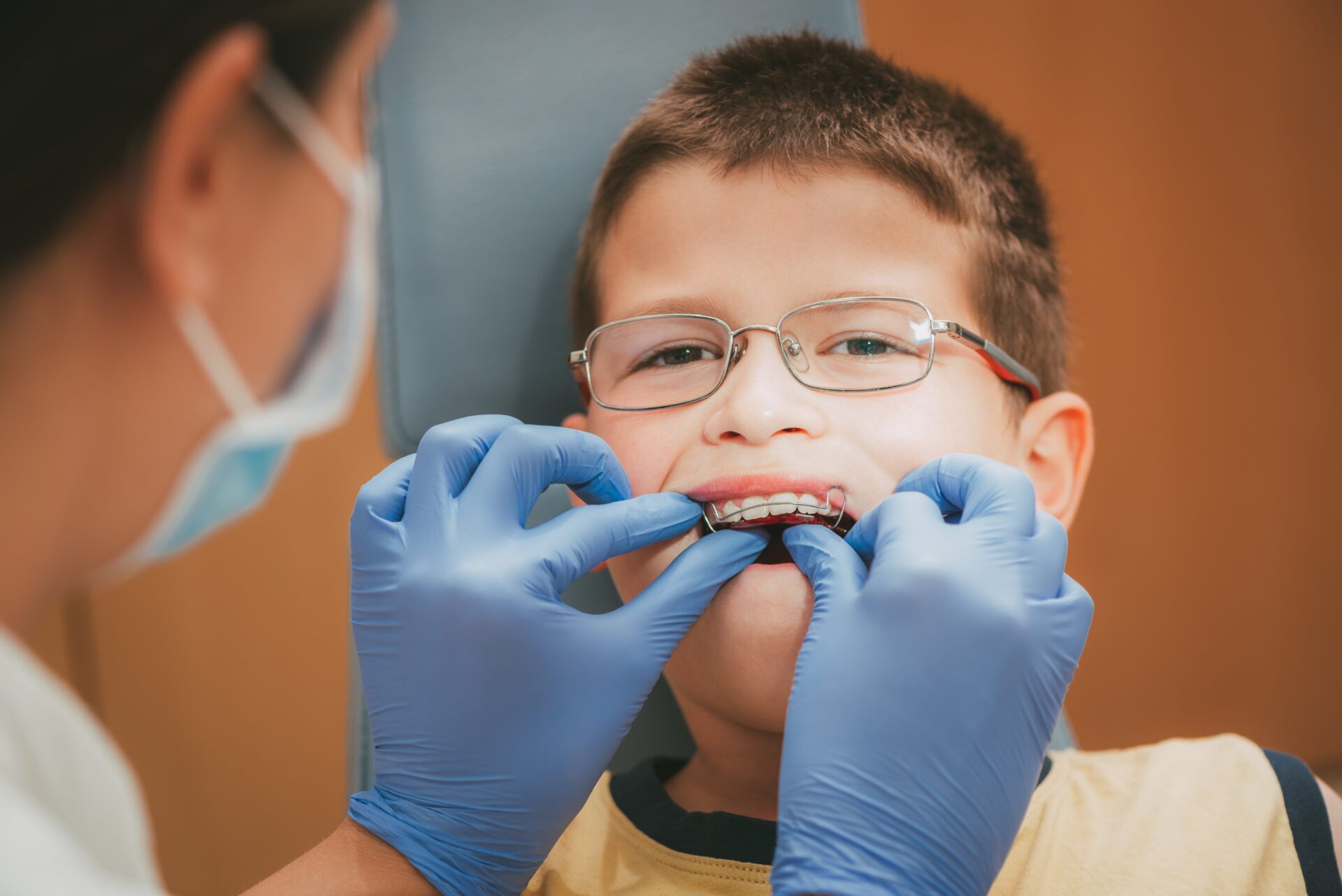
While general dentists handle most dental issues, certain signs may indicate the need for a specialist's care. Symptoms such as persistent tooth pain, gum swelling, or a noticeable change in bite alignment should prompt a visit to a specialist, such as an orthodontist or periodontist, for targeted treatment.
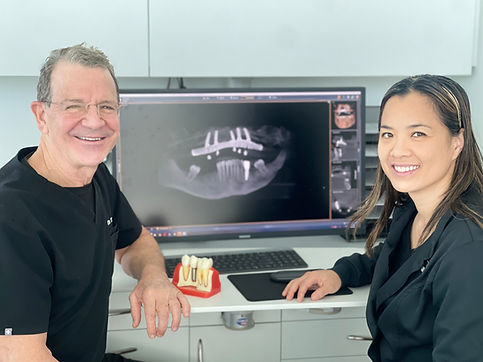
Additionally, if you have complex dental needs, such as missing teeth or severe gum disease, specialists are equipped with advanced training and techniques to provide more comprehensive care. Recognizing these signs early can lead to better outcomes and improved oral health.