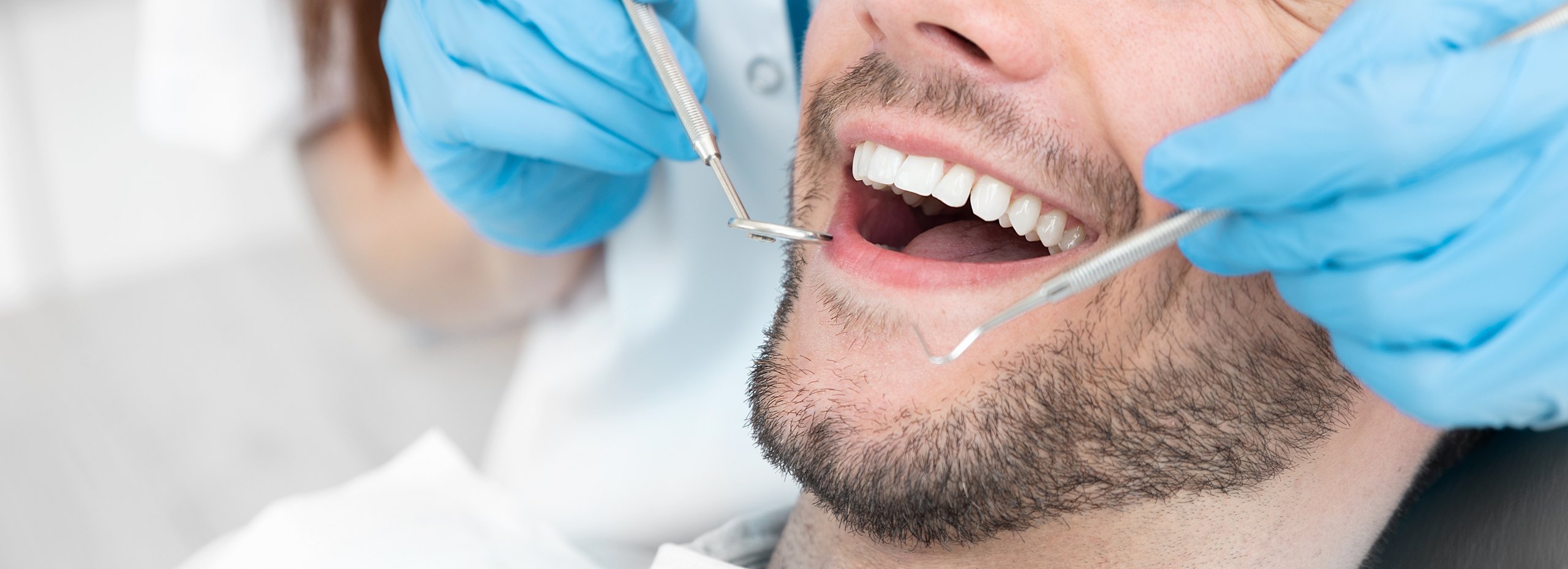
What Are Wisdom Teeth?
Wisdom teeth are the third set of molars located at the back of the mouth. Most people develop four wisdom teeth between the ages of 17 and 25.
While some wisdom teeth erupt normally, many do not have enough room to emerge properly. As a result, they may become trapped beneath the gums or develop at an angle that places pressure on neighboring teeth.
Signs You May Need Your Wisdom Teeth Removed
Many patients delay treatment because they assume discomfort will eventually disappear. Unfortunately, wisdom tooth problems often worsen over time.
Warning signs include:
- Pain near the back of the mouth
- Swollen gums around wisdom teeth
- Jaw stiffness
- Headaches related to jaw pressure
- Bad breath
- Difficulty opening your mouth fully
- Repeated infections
What Happens During a Surgical Tooth Extraction?
Step 1 — Numbing the Area: The first step is making sure you are completely comfortable. Local anesthesia is used to numb the area around the tooth so you don't feel a thing during the procedure.
Step 2 — Accessing the Tooth: If the tooth is impacted or not fully visible, a small opening may be made in the gum tissue to access it. In some cases, a small amount of bone may be gently removed to reach the tooth safely.
Step 3 — Removing the Tooth: Once the tooth is accessible, it is carefully loosened and removed in a controlled way. Sometimes the tooth is taken out in sections to make removal easier and reduce impact on surrounding tissue.
Step 4 — Cleaning and Protecting the Site: After the tooth is removed, the area is cleaned thoroughly to remove any debris or infection. A protective gauze is placed over the site to help form a blood clot, which is important for healing.
Step 5 — Recovery Instructions: Before you leave, you will receive simple aftercare instructions to support healing. This may include guidance on eating, activity levels, pain management, and how to protect the area during the first few days.
Aftercare Instructions for Tooth Removal Surgery
The success of a surgical tooth extraction depends heavily on the recovery period. Protecting the surgical site immediately following your procedure allows the body's natural healing mechanisms to take over efficiently.
The Critical First 24 Hours: Your primary objective on day one is to protect the newly formed blood clot in the extraction socket. Keep firm, steady pressure on the provided gauze pad. Place an ice pack on the outside of your cheek in 20-minute intervals to reduce swelling. Avoid strenuous physical activity, which raises your blood pressure and can trigger unwanted bleeding. Do not use straws, smoke, or spit forcefully — the negative pressure can dislodge the blood clot, leading to a painful condition known as dry socket.
Dietary Choices for Smooth Healing: Transitioning to a temporary soft-food diet minimizes physical irritation to your healing gums. Focus on nutrient-dense options such as yogurt and protein shakes, lukewarm pureed soups and broths, mashed potatoes, avocados, and applesauce, and scrambled eggs or well-cooked oatmeal as your comfort levels improve. As the days progress, you can gradually reintroduce solid foods based on your personal comfort levels, ensuring you chew on the opposite side of your mouth.
How Early Wisdom Tooth Removal Can Prevent Future Problems
Early evaluation allows our dental team to monitor how wisdom teeth are developing and identify concerns before they lead to pain or complications. In many cases, removing wisdom teeth before the roots are fully formed can make treatment and recovery easier.
At Plaza Pointe Dental Specialists, we use advanced imaging to assess wisdom teeth and determine whether early removal may help protect your long-term oral health.
- Reduced risk of infection and gum disease
- Protection for neighboring teeth
- Lower risk of tooth crowding and shifting
- Prevention of cysts or damage around impacted teeth
- Easier recovery in many younger patients