What Is Bone Grafting?
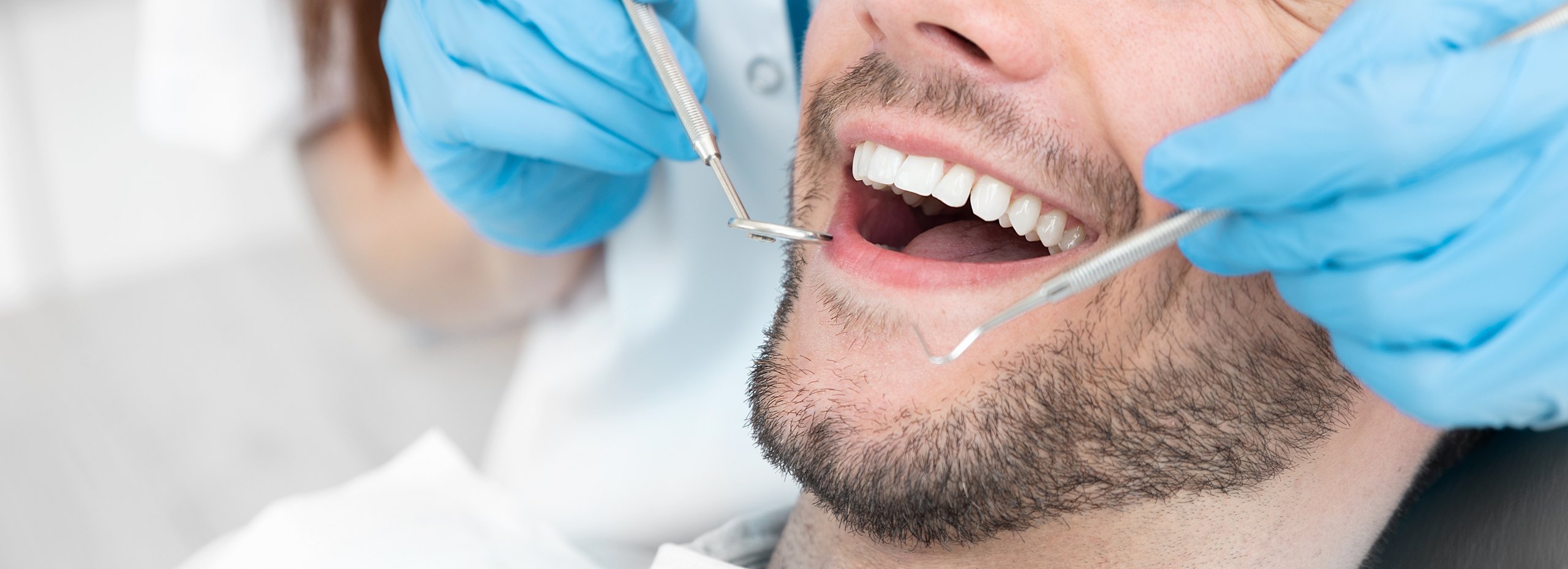
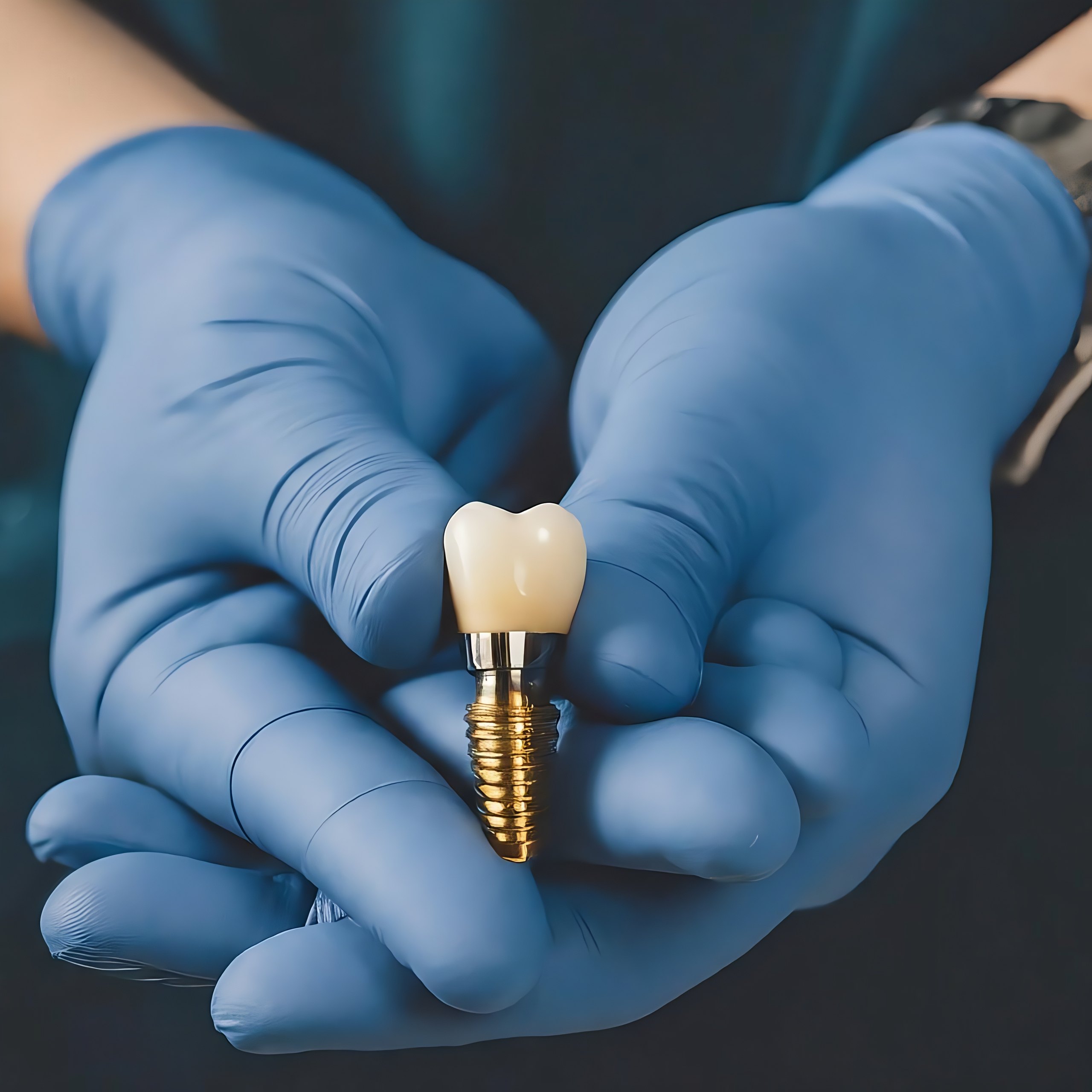
Dental bone grafting is a specialized surgical procedure that rebuilds or replaces bone in the jaw, creating a strong foundation for teeth and implants. The graft material may come from your own body, a donor, or safe synthetic sources, depending on your individual needs. Rebuilding the jawbone not only allows for successful dental implants but also supports healthy gums, restores facial contours, and preserves your natural bite.
When Is Bone Grafting Recommended?
Dental bone grafting is often recommended in situations where the jaw has lost volume or strength:
Patients have found renewed confidence in their smiles after bone grafting, allowing them to pursue restorative treatments like implants while improving overall oral health. To learn if bone augmentation may be right for you, call (425) 215-0001.
- Dental Implants — Rebuilding bone ensures implants are stable and reduces the risk of implant failure.
- Bone Loss — Loss from previous tooth extraction, periodontal disease, or trauma can compromise oral function and appearance.
- Jaw Preservation — Maintaining jaw structure after tooth removal prevents shifting teeth, bite problems, and facial changes.
- Aesthetic Considerations — Bone grafting supports natural facial contours, helping preserve a youthful and balanced appearance.
The Benefits of Rebuilding Your Jawbone
Restoring bone volume is about more than just preparing for implants; it is about protecting your health and appearance.
- Facial Preservation — Maintaining bone volume prevents the collapsed look often associated with tooth loss.
- Implant Success — A graft provides the necessary grip for an implant to stay in place.
- Support for Remaining Teeth — Strengthening the jaw helps prevent the shifting of neighboring natural teeth.
- Long-Term Function — With a strong jaw, you can enjoy all your favorite foods without worry.
The Bone Grafting Process
The journey to restoring your jawbone with dental bone grafting is painless and can usually be completed in one visit to our advanced dental practice:
Many patients choose to combine bone grafting with dental implant placement for a seamless restorative experience. Our approach prioritizes comfort, efficiency, and precision while addressing both functional and aesthetic goals, so patients can enjoy a smoother, more confident journey toward a restored smile.
- Consultation and Evaluation — Your journey begins with a thorough oral and bone assessment. Advanced imaging and 3D scans help the team plan the graft precisely, taking into account bite alignment, bone density, and facial structure.
- Bone Graft Placement — Using safe, biocompatible materials, the graft is carefully positioned in areas of bone loss. Every step is coordinated by our specialists to maximize results and comfort.
- Healing and Integration — Over the course of several weeks to months, the graft integrates with existing bone, creating a solid foundation for dental implants or other restorative treatments.
- Follow-Up Care — Regular checkups allow Dr. Scott and the team to monitor healing, make adjustments, and provide guidance for long-term success.
Aftercare for Bone Graft Procedures
Immediate Post-Op (First 24 Hours): The priority is protecting the graft site. Avoid disturbing the area with your tongue or fingers. Rest quietly for the day and avoid strenuous exercise, as an elevated heart rate can increase swelling. Apply an ice pack to the outside of your face in 20-minute intervals to manage inflammation. Stick to cool liquids and soft foods, and do not use a straw, as the suction can dislodge the graft.
The First Week of Healing: Do not brush the surgical site directly. Use a gentle warm salt water rinse or a prescribed antimicrobial wash to keep the area clean. Transition to soft foods like yogurt, mashed potatoes, or scrambled eggs. Avoid crunchy, spicy, or sharp foods that could irritate the site. Complete the full course of antibiotics as directed by Dr. Scott to prevent infection.
Long-Term Integration: Over the next three to six months, the graft will become a permanent part of your jaw. We will monitor this progress at our office using digital imaging to ensure your foundation is ready for a dental implant.